
10 Refrigerator Maintenance Tips to Extend Its Lifespan
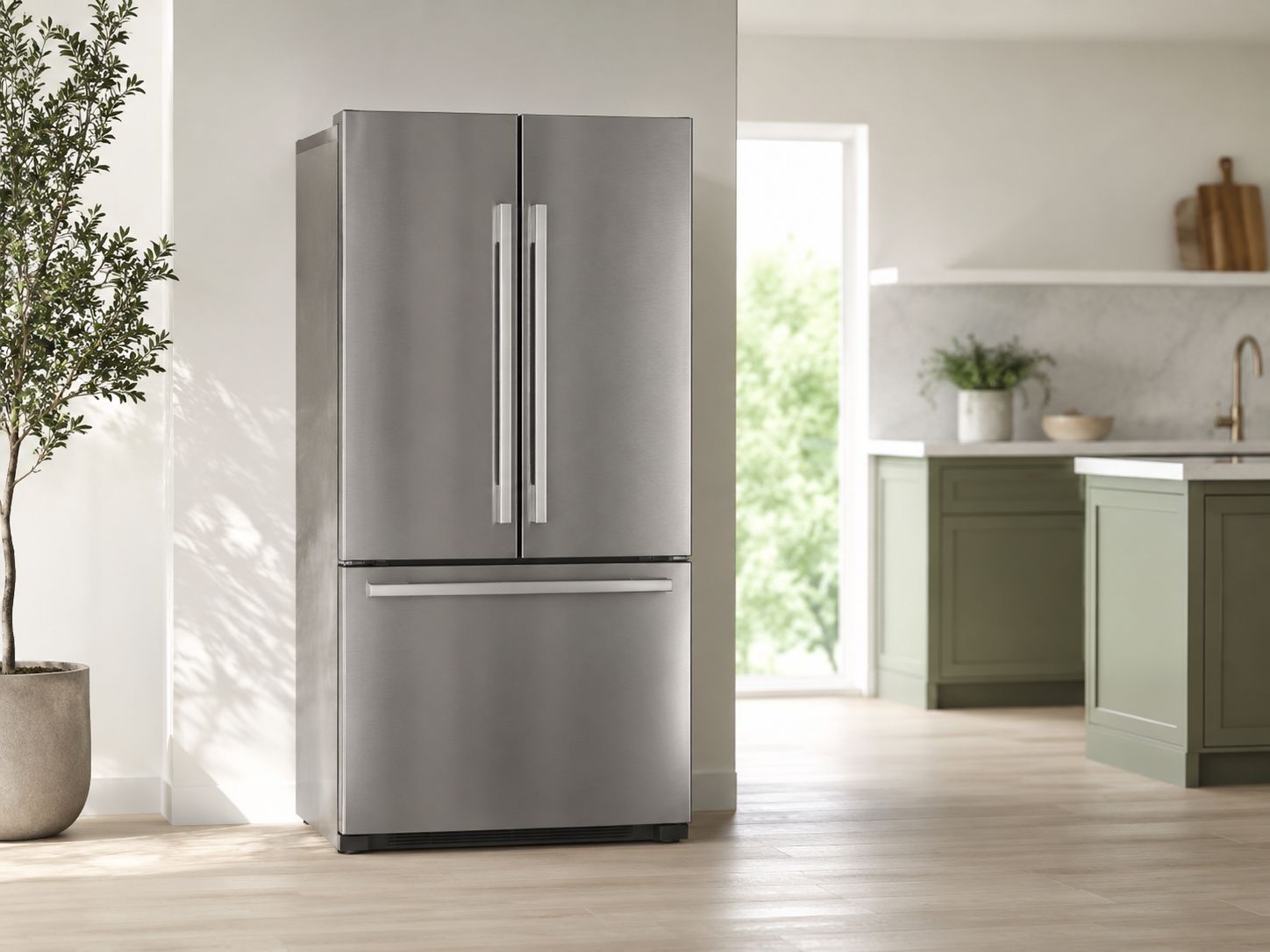
A refrigerator runs 24 hours a day, 365 days a year, which makes it one of the hardest-working appliances in your home. With the right care, most refrigerators can last 12 to 20 years. Skip the maintenance, and you're far more likely to face a costly breakdown, a spoiled fridge full of groceries, or a compressor replacement long before its time.
Our technicians see the same preventable issues on repair calls across Los Angeles again and again, dirty coils, overworked seals, and fridges packed so tight the air can't circulate. Here are the 10 maintenance habits that actually make a difference.
Maintenance tips that add years to your refrigerator
-
Clean the condenser coils every 6 months
The coils, usually located behind or underneath the fridge, release heat as the refrigerant cycles through. When they're coated in dust and pet hair, the compressor has to run longer and hotter to hit the target temperature. Unplug the fridge, pull it out, and vacuum the coils with a narrow attachment or a coil brush. If you have shedding pets, do this every 3 months instead.
-
Keep the temperature at the right setting
Set the fridge compartment to 37-40°F (3-4°C) and the freezer to 0°F (-18°C). Setting it colder than necessary doesn't keep food fresher, it just forces the compressor to work overtime, which adds wear and drives up your electric bill.
-
Inspect and clean the door gaskets
A worn or dirty door seal lets cold air escape and warm, humid air in, which is a leading cause of frost buildup and inconsistent temperatures. Wipe the gaskets with warm soapy water monthly and check the seal by closing the door on a dollar bill. If it slides out easily, the gasket needs replacing.
-
Don't overpack the fridge
Cold air needs to circulate freely around every shelf to keep temperatures even. An overstuffed fridge blocks airflow, creates warm spots where food spoils faster, and makes the compressor run longer to compensate. Leave some breathing room, especially in front of the vents.
-
Let hot food cool before refrigerating
Placing a hot pot of food straight into the fridge raises the internal temperature and forces the compressor into overdrive to bring it back down. Let food cool to room temperature first, ideally within an hour or two, before storing it.
-
Defrost manual-defrost freezers regularly
If your freezer isn't a frost-free model, defrost it once ice buildup reaches about a quarter-inch. Thick frost acts as insulation, making the compressor work harder to keep food frozen and reducing usable storage space.
-
Keep the refrigerator level
An unlevel fridge puts uneven strain on the compressor and can prevent doors from sealing properly, which leads to the exact air leaks mentioned above. Use a bubble level and adjust the front leveling legs so the appliance sits flat and doors close on their own.
-
Replace the water filter on schedule
If your model has a water or ice dispenser, replace the filter every 6 months (or per the manufacturer's guidance). A clogged filter restricts water flow, strains the inlet valve, and affects the taste of your ice and water.
-
Give it clearance from the wall
Leave at least 2-3 inches of space behind and above the fridge so the condenser coils can dissipate heat properly. A fridge pushed flush against the wall traps heat, which shortens compressor life and increases energy use.
-
Schedule an annual professional checkup
Just like a car, a refrigerator benefits from a yearly inspection. A licensed technician can catch a weak start relay, a failing thermostat, or a slow refrigerant leak long before it turns into a total breakdown, often for far less than the cost of an emergency repair.
Noticed your fridge running warm or louder than usual?
Schedule a CheckupWarning signs maintenance alone won't fix
Regular care goes a long way, but some problems need a professional. Call a technician if you notice any of the following:
- The fridge isn't cooling or the freezer isn't fully freezing, even after cleaning the coils.
- Water pooling on the floor or inside the crisper drawers.
- Loud clicking, buzzing, or grinding coming from the compressor.
- The compressor runs constantly and never seems to cycle off.
- Frost building up rapidly again just days after defrosting.
These are often early signs of a failing compressor, a refrigerant leak, or a faulty control board, issues that get more expensive to fix the longer they're ignored.
Frequently Asked Questions
Answers to common questions about refrigerator maintenance and care.
How often should I clean my refrigerator's condenser coils?
Every 6 months for most households, or every 3 months if you have pets that shed. Dusty coils force the compressor to work harder and can shorten the fridge's lifespan.
What is the ideal refrigerator temperature setting?
Keep the refrigerator compartment between 37-40°F (3-4°C) and the freezer at 0°F (-18°C). This keeps food safe without forcing the compressor to overwork.
How do I know if my refrigerator needs professional repair instead of maintenance?
If your fridge isn't cooling properly, is leaking water, making loud grinding or clicking noises, or the compressor cycles constantly even after cleaning the coils, it's time to call a licensed technician.
Refrigerator acting up despite regular care?
Our licensed Los Angeles technicians diagnose and fix it fast, backed by a 90-day labor warranty.