
Why Does Your Gas Burner Click or Burn Yellow?
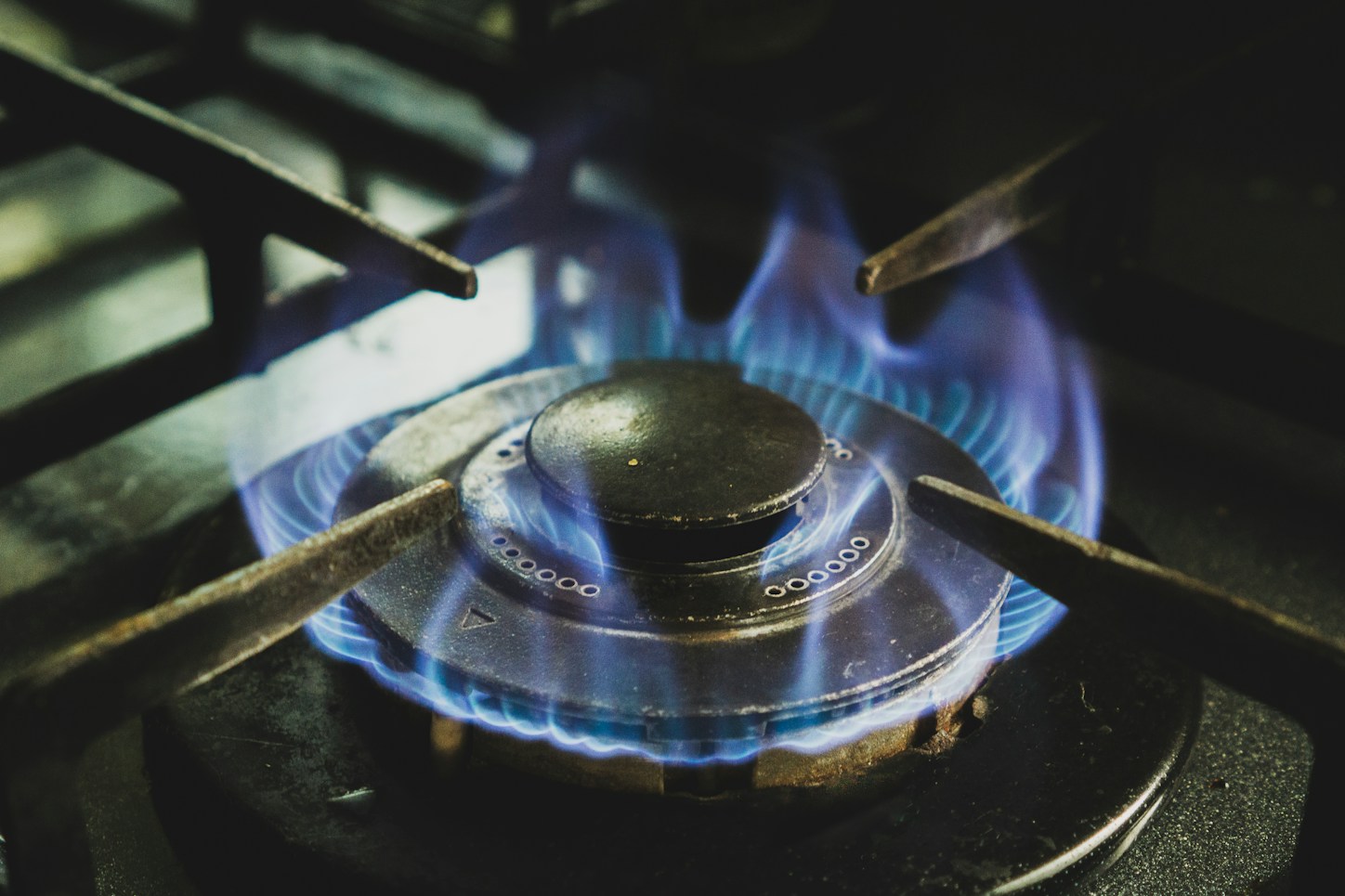
You turn the knob and the burner starts clicking, and keeps clicking. Or the flame looks a little orange, and your pots come off the stove with a layer of black soot. Both are common, and both come down to the same simple thing: how cleanly gas and air meet at the burner.
A healthy flame is a balance of gas and air
A gas burner is a small, carefully tuned mixing chamber. Gas passes through a tiny opening, pulls in air, mixes inside the burner head, and then escapes through a ring of small ports where it burns. When the ratio is right, you get a steady blue flame that burns hot and clean. The igniter is a small ceramic electrode beside the burner that throws a spark when you turn the knob, and that spark has to reach the gas coming out of the ports. If the gas and the spark don't meet in the right place, you get clicking with no flame, or a flame that doesn't burn the way it should.
Why the clicking won't stop
A second or two of clicking while the burner lights is normal, because the igniter is simply doing its job. It becomes a problem when the clicking continues after the flame is on, starts by itself when nobody touched a knob, or goes on without the burner ever lighting. Moisture and food residue around the electrode are the usual causes, since they give the spark a different path to follow. A burner cap that isn't seated flat can keep gas away from the electrode, and a switch gummed up by a boil-over can keep signaling the igniter to fire. After years of heat, the electrode itself can also wear or crack.
What a yellow flame is really telling you
Blue means the gas is burning completely. Yellow or orange tips mean it isn't, usually because the burner isn't getting enough air or some of the ports are partly blocked. The result is soot on cookware and, more importantly, carbon monoxide. A brief orange flicker from a bit of dust or a splash of salt is harmless, but a flame that stays yellow is not. Another cause is a stove set up for one type of gas running on the other, for example natural gas equipment fed with propane, which produces a tall, lazy yellow flame until the right parts are installed.
Burner still clicking after you cleaned it?
Book a Safety CheckSpills and moisture cause most of it
Burner ports are tiny, so boiled-over sauce, sugar, and grease clog them easily. A partly blocked ring burns unevenly, with a healthy blue flame on one side and a weak or yellow one on the other. Cleaning can cause problems too. Soaking burner heads and caps and then putting them back while still damp is a very common reason for clicking that won't quit, and a cap that goes back crooked can stop the burner from lighting properly.
When it's a safety issue, not a cleaning job
Some signs mean stop cooking first and troubleshoot later:
- You smell gas. Don't touch switches or light anything, get everyone out, and call your gas company's emergency line or 911 from outside.
- The flame stays yellow or orange and leaves soot on pots.
- The flame lifts off the burner, flickers wildly, or ignites with a loud pop.
- You feel dizzy or get headaches while cooking. Get fresh air right away.
A working carbon monoxide detector near the kitchen and sleeping areas is a sensible precaution in any home with a gas stove.
Quick checks before you call
If there's no gas smell and the flame looks normal, a few safe checks often solve a clicking burner:
- Turn everything off and let the burners cool completely.
- Make sure each burner cap is seated flat and in the right position.
- Clear debris from the ports with a soft brush or a toothpick, without soaking the igniter.
- Let everything dry for several hours before trying again.
If the clicking or the yellow flame comes back after cleaning and drying, the cause is likely an igniter, switch, or gas setup problem, and it needs a technician to look at it safely.
Frequently Asked Questions
Answers to common questions about gas burner problems.
Is it normal for a burner to click before it lights?
Yes. The igniter sparks for a second or two while the burner lights. Clicking that continues after the flame is on, starts by itself, or happens without the burner ever lighting is not normal and is worth checking.
Can I keep cooking if the flame has yellow tips?
Brief orange flickers from dust or a splash of salt are harmless. A flame that stays yellow or orange, or leaves black soot on your cookware, is burning incompletely and can produce carbon monoxide. Stop using that burner until it has been inspected.
Why does my stove click after I clean it?
Most often it's moisture on the burner or igniter, or a burner cap that wasn't put back flat. Let everything dry completely for several hours and make sure the cap is seated correctly. If the clicking continues once it's dry, the igniter or its switch may need attention.
Burner clicking or flame looking wrong?
Our licensed Los Angeles technicians can inspect it and make it safe fast, backed by a 90-day labor warranty.