
Why Your Ice Maker Stopped Making Ice
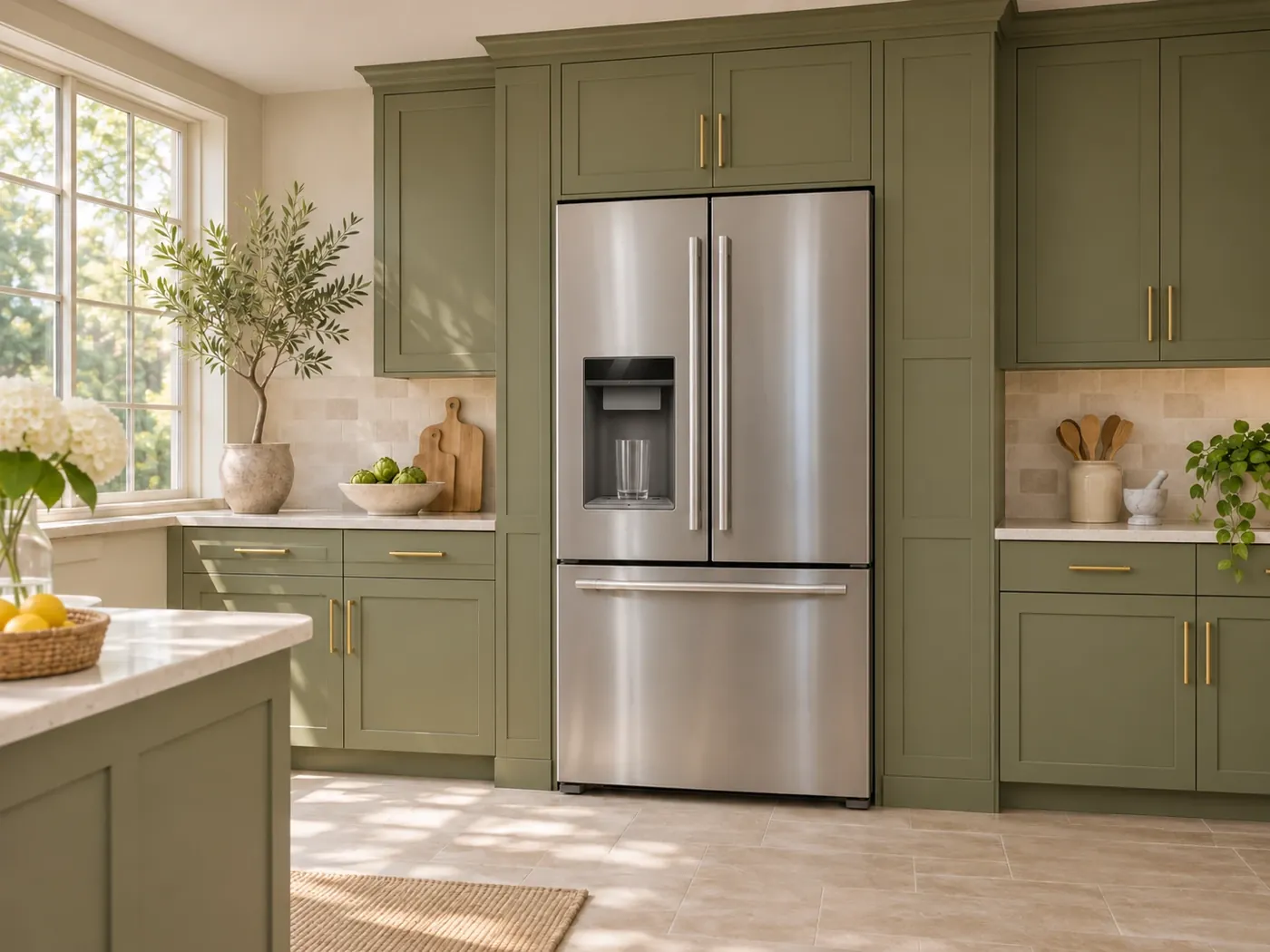
You reach for ice and find the bin empty. Or there are a few small, cloudy cubes stuck together at the bottom, and the dispenser just whirs when you press it. The refrigerator still keeps food cold, so it's easy to wonder what happened. An ice maker is a small machine with a simple routine, and when it stops, it's almost always because one step in that routine isn't getting what it needs: water, cold, or the signal to start.
How a fridge ice maker actually works
Every cycle follows the same steps. A water inlet valve at the back of the refrigerator opens for a few seconds and sends water up a small fill tube into the ice mold. The freezer cold turns that water into cubes, and when a sensor on the mold reads that it's cold enough, the ice maker starts its harvest: a small heater loosens the cubes, and an ejector arm or a twisting tray pushes them into the bin. A shutoff arm or an optical sensor checks how full the bin is and stops production when it's full. The whole cycle usually takes a couple of hours, so a healthy ice maker fills its bin slowly but steadily.
Check the simple switches first
More ice makers are switched off than broken. The wire shutoff arm on many models stops production whenever it's lifted, and it's easy to bump it up while taking out the bin or a bag of frozen vegetables. Newer refrigerators have an ice maker on/off setting on the control panel or a small switch on the ice maker itself, and a control lock or vacation mode can turn ice off too. A refrigerator that was just installed or moved also needs time: up to a day before the first cubes appear, and the first few batches should be thrown away.
When no water reaches the ice maker
An ice maker can't make ice without water, and the supply runs through several places where it can stop. The shutoff valve where the line connects to your plumbing may be closed or only partly open, especially after a remodel or a move. The thin supply line behind the fridge can get kinked when the refrigerator is pushed back against the wall. A water filter that's months overdue for a change restricts the flow so much that the mold only half fills. And the water inlet valve itself can fail; it may hum when it should open, or simply stay closed. A leak at that same line is a separate warning sign we cover in why refrigerators leak or ice up.
Ice bin still empty after the simple checks?
Book a DiagnosisWhen the fill tube freezes
One of the most common causes is also one of the least obvious. The fill tube that carries water into the mold passes through the freezer, and if water drips slowly instead of flowing in a quick burst, it freezes inside the tube and blocks it. Low water pressure, a clogged filter, and a valve that doesn't shut off cleanly all cause that slow drip. The usual warning sign is ice that gets smaller and more hollow over a few days and then stops completely. Thawing the tube brings the ice back for a while, but unless the cause of the drip is fixed, it freezes again.
When the freezer isn't cold enough
The ice maker relies on the freezer for cold. Most need the freezer at about 0°F, and the mold has to get well below freezing before the harvest will start. If the freezer runs warm, from a door that doesn't seal, a blocked vent, or frost building up on the coils, the cubes freeze too slowly and the ice maker waits. If the freezer feels warmer than usual or the refrigerator section is warming up too, the ice maker is only a symptom, and we explain the cooling side in why refrigerators run but stop cooling.
When the ice maker itself fails
If water reaches the mold and the freezer is cold, the problem is usually in the ice maker. The small motor that drives the ejector can wear out, the sensor that tells it the cubes are frozen can fail, or the heater that releases the cubes can stop working, leaving cubes frozen in place. Sometimes the ice maker is fine and the bin is the problem: cubes melt slightly and freeze into one big clump that the dispenser auger can't break up, so the dispenser runs but nothing comes out.
Safe checks before you call
A few steps are safe and often useful, especially for a technician later:
- Make sure the shutoff arm is down and the ice maker is turned on in the settings.
- Check that the freezer is at about 0°F and its door closes and seals fully.
- Replace the water filter if it's older than six months or the recommended interval.
- Make sure the supply line isn't kinked and the shutoff valve is fully open.
- Empty the bin and break up any clumped ice so the dispenser can move freely.
Replacing the water inlet valve, the ice maker module, or the dispenser motor means working with the water line and wiring behind panels, so it's best left to a technician.
Signs it needs a technician
These patterns usually mean a failed part:
- No ice even though the arm is down, the filter is new, and the freezer is cold.
- Ice gets smaller and hollow, then stops, again and again.
- You hear a hum or buzz at the back of the fridge, but no water fills the mold.
- Cubes stay frozen in the mold and never drop into the bin.
- Water leaks near the ice maker or onto the floor behind the refrigerator.
Our refrigerator repair technicians test the water supply, valve, ice maker, and freezer temperature together, so the ice comes back and keeps coming.
Frequently Asked Questions
Answers to common questions about refrigerator ice makers that stop making ice.
How long does a new ice maker take to make ice?
A newly installed or newly switched-on ice maker usually needs up to 24 hours to make its first batch, because the freezer has to get cold enough first. Filling the bin completely can take two or three days. It's also a good idea to throw away the first few batches, which can carry air and tastes from a new water line or filter.
Why is my ice maker making small or hollow ice cubes?
Small, hollow, or crescent-shaped cubes mean the mold isn't getting enough water. The usual causes are a clogged water filter, low water pressure at the supply line, a partially frozen fill tube, or a water inlet valve that is starting to fail. Replacing an old filter is the easiest place to start.
Why does my refrigerator dispense water but not ice?
The water dispenser and the ice maker share the same supply, but they use separate outlets on the water inlet valve and different parts after that. If water flows normally but no ice is made, the problem is usually the ice maker side of the valve, a frozen fill tube, the ice maker itself, or ice clumped in the bin that the dispenser can't push out.
Related Guides & Services
Refrigerator Repair
Ice makers, cooling, leaks and more, repaired by licensed Los Angeles technicians.
Learn More
Why Is Your Refrigerator Running but Not Cooling?
How a fridge makes cold, and what a warm fridge or a cold freezer is telling you.
Read More
Why Is Your Refrigerator Leaking Water or Icing Up?
Where the water inside your fridge goes, and why frost keeps coming back.
Read MoreIce maker still not working?
Our licensed Los Angeles technicians can find the real cause fast, backed by a 90-day labor warranty.