
Why Your Electric Stove Burner Won't Heat Up
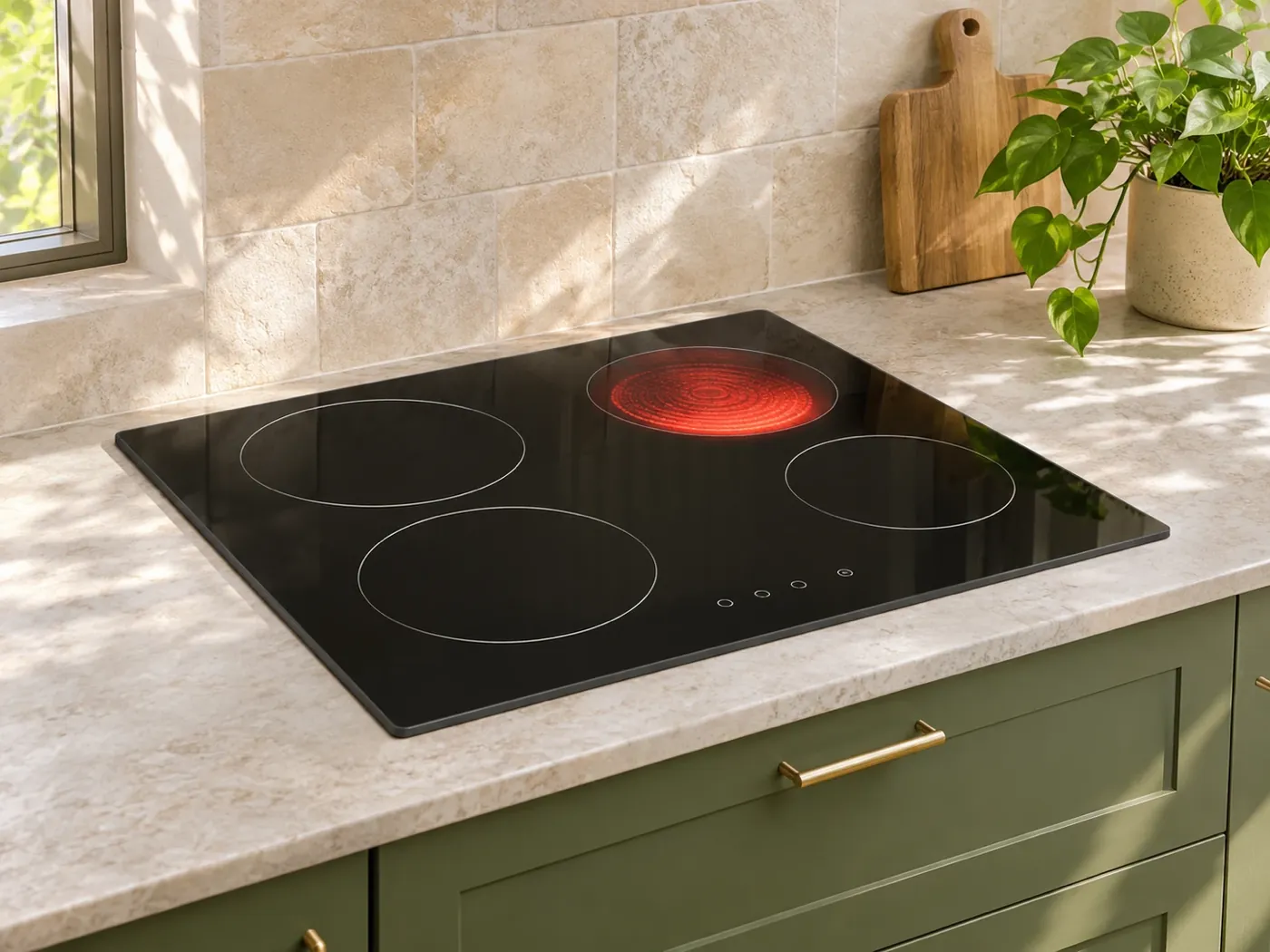
You turn the knob, set the pot down, and a few minutes later the water is still cold. The other burners work, but this one stays dark. Or the opposite happens: one burner glows bright red and won't turn down at all. Electric burners are simple, which is good news, because each of these symptoms points to a short list of parts.
How an electric burner makes heat
Every electric burner is a heating element: a metal coil, or a flat ribbon hidden under a glass cooktop, that glows hot when current runs through it. The knob doesn't control how much power flows. It controls a part called an infinite switch, which turns the element on and off in short bursts. On low the bursts are brief, on high the power stays on almost all the time. Touch-control cooktops do the same job with relays on an electronic control board. When a burner won't heat, the break is in the element, the switch, or the connection between them. Gas cooktops work very differently, so if you have one, see why gas burners click or burn yellow instead.
When one coil burner won't heat
On a stove with removable coils, a single dead burner is usually the coil itself. Look for a blister, a crack, or a spot that looks burned through. A quick test is to swap it with a same-size coil that works: if the good coil heats in the bad spot, the original coil is worn out. If the good coil stays cold too, the problem is underneath. The receptacle the coil plugs into can burn and lose contact over time, especially if the coil sat loose or a spill reached it, and the infinite switch behind the knob can fail as well.
When a glass cooktop zone stays cold
On a smooth glass cooktop the element sits under the glass, so you can't swap it. A zone that stays dark usually has a broken element, and sometimes you can see a section that no longer glows. Many radiant elements also have a small limiter, a safety part that cuts power when the glass gets too hot, and it can fail and keep the zone off. On touch-control models the relay or control board that powers that zone is another common cause.
Burner still cold after the simple checks?
Book a DiagnosisWhen a burner is stuck on high
A burner that glows bright red no matter where the knob is set is the most urgent version of this problem. Inside the infinite switch, the contacts that turn power on and off can weld together, so the element stays on at full power. On touch-control cooktops a stuck relay does the same thing. This can overheat cookware and damage the cooktop, so turn the stove off at the breaker and don't use it until the switch or relay is replaced.
When several burners stop at once
If two or more burners stop together, look at power before parts. Electric stoves run on two circuits at the same time, and if only half of the double breaker trips, some burners can stay cold while the clock and lights work normally. The same thing can leave the oven cold too, as we explain in why ovens stop heating. If the breaker is fine, a burned wire at the terminal block, a failed control board, or an active control lock on a touch-control cooktop are the usual causes.
What about induction cooktops?
Induction burners don't glow at all. They use a magnetic field to heat the pan directly, so the most common reason a zone won't heat is the pan itself: if a magnet doesn't stick to the bottom, it won't work on induction. A flashing symbol or error code often means the cooktop can't detect a suitable pan, or that it's protecting itself from overheating because the cooling fan is blocked or has failed. Error codes that keep coming back usually point to a sensor or the power board.
Safe checks before you call
A few steps are safe and often useful, especially for a technician later:
- Check the breaker panel and reset the stove breaker fully off and back on.
- Make sure a control lock or timer isn't active on a touch-control cooktop.
- With the stove off and cool, make sure each coil is pushed fully into its receptacle.
- Swap a cold coil with a same-size coil that works to see which part is at fault.
- For induction, test your pan with a magnet and try a different pan on the same zone.
Replacing receptacles, switches, elements, or control boards means working with 240-volt wiring, so it's best left to a technician.
Signs it needs a technician
These patterns usually mean a failed part:
- One burner stays cold even with a coil you know works.
- A burner stays on high and won't turn down or off.
- The receptacle under a coil looks burned or the coil sparks.
- A glass cooktop zone stays dark or shuts off on its own.
- An induction cooktop keeps showing the same error code.
Our stove and cooktop repair technicians test the element, switch, wiring, and controls together and get every burner heating evenly again.
Frequently Asked Questions
Answers to common questions about electric stove burners that won't heat.
Why does only one burner on my electric stove not work?
When the other burners heat normally, the problem is almost always limited to that one burner: a burned-out coil or radiant element, a damaged receptacle under a coil burner, or the infinite switch behind its knob. Swapping a coil with a same-size burner that works quickly shows whether the coil or the socket is at fault.
Why is my electric burner stuck on high?
A burner that glows at full heat no matter where the knob is set usually has a failed infinite switch, whose contacts have welded together, or a stuck relay on the control board of a touch-control cooktop. It won't fix itself and should be repaired before the stove is used again.
Is it safe to use a stove with a burner stuck on high?
No. A burner that can't be turned down or off can overheat cookware, damage the cooktop, and start a fire. Turn the stove off at the breaker and leave it off until a technician replaces the faulty switch or relay.
Related Guides & Services
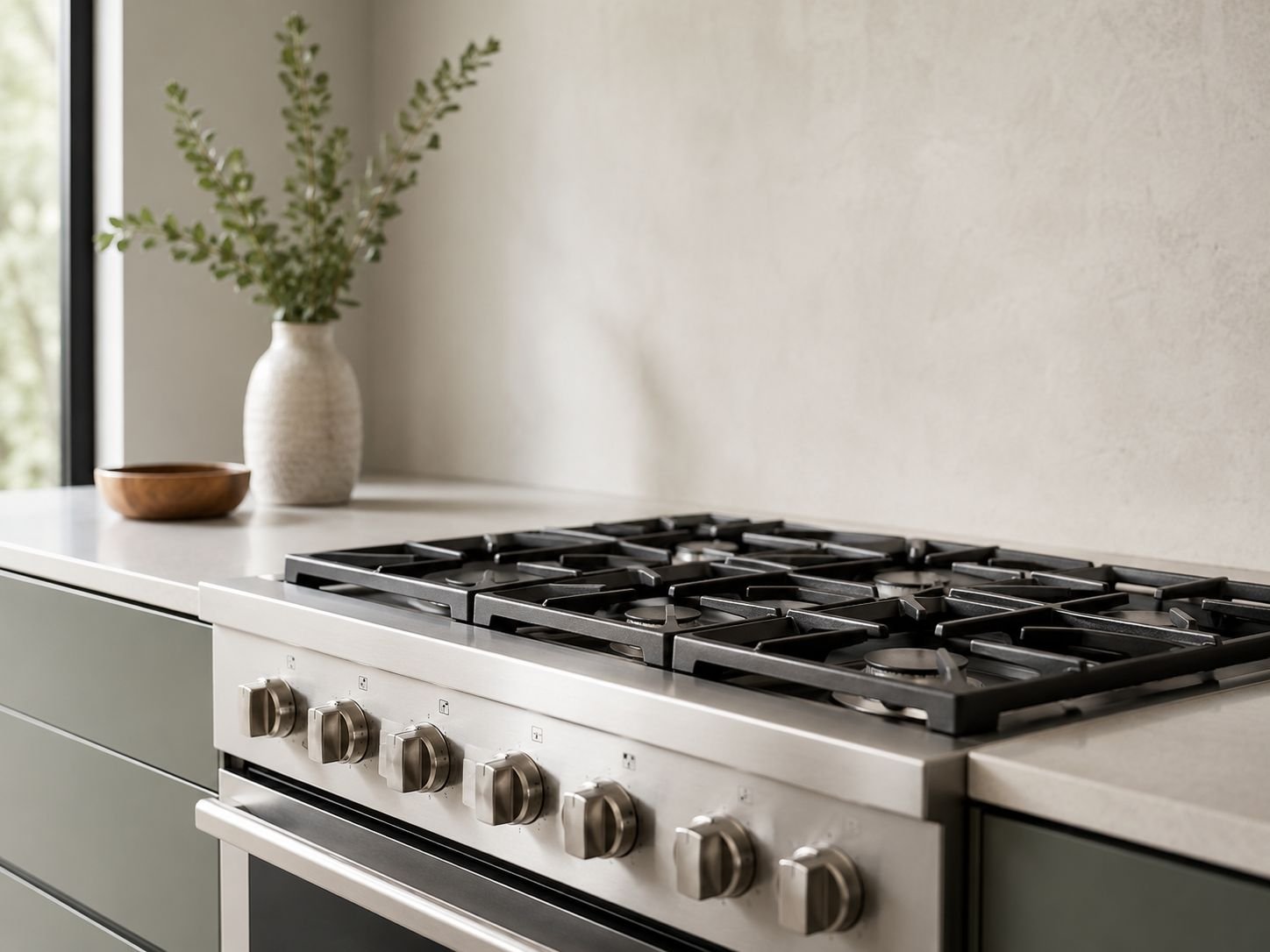
Stove & Cooktop Repair
Gas, electric, glass and induction cooktops repaired by licensed Los Angeles technicians.
Learn More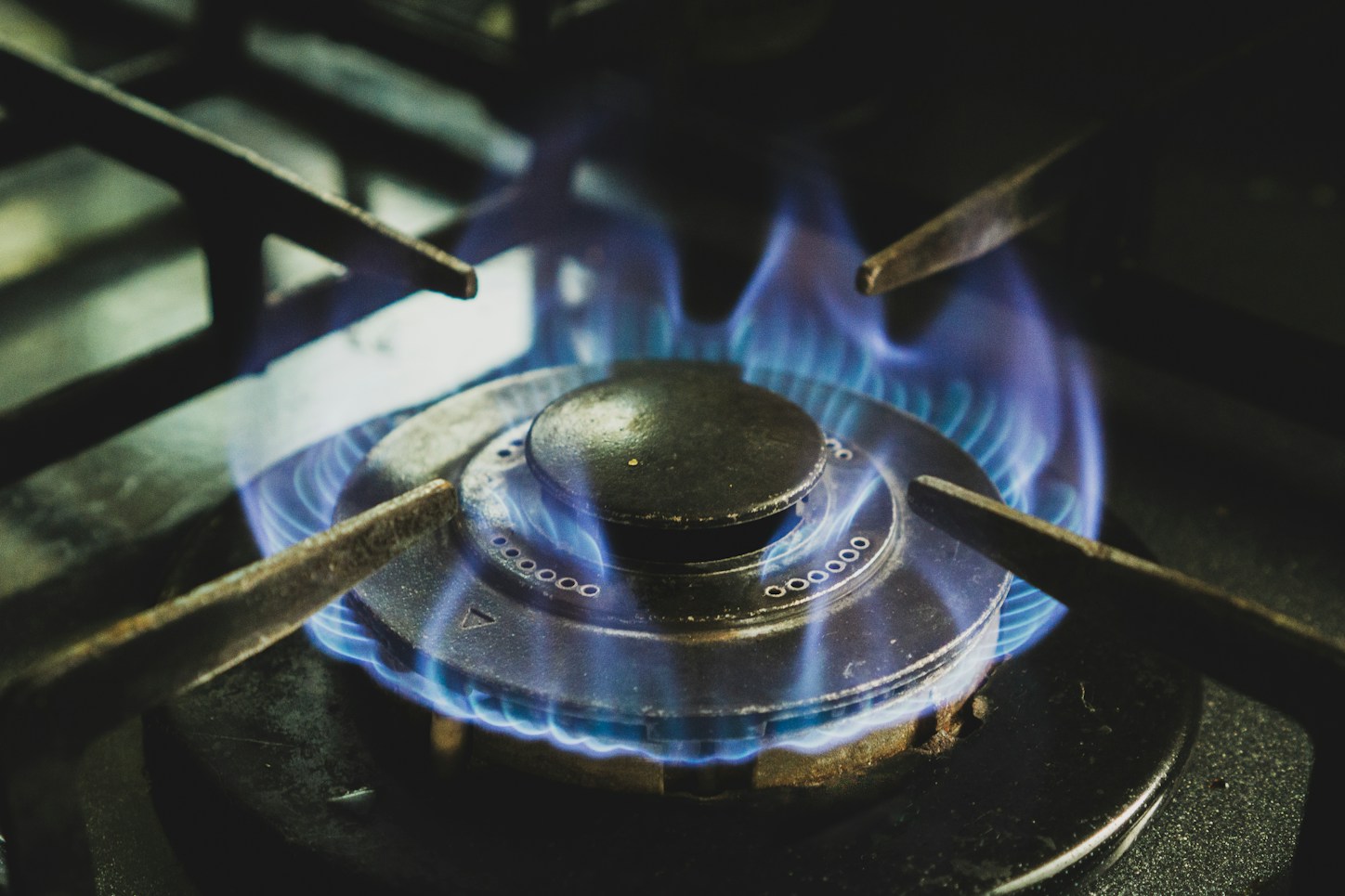
Why Does Your Gas Burner Click or Burn Yellow?
What a clicking igniter or a yellow flame is telling you, and when it becomes a safety issue.
Read More
Why Is Your Oven Not Heating or Not Turning On?
How electric and gas ovens make heat, and which part usually stops working.
Read MoreElectric burner not heating?
Our licensed Los Angeles technicians can find the real cause fast, backed by a 90-day labor warranty.