
Why Your Washer Won't Spin
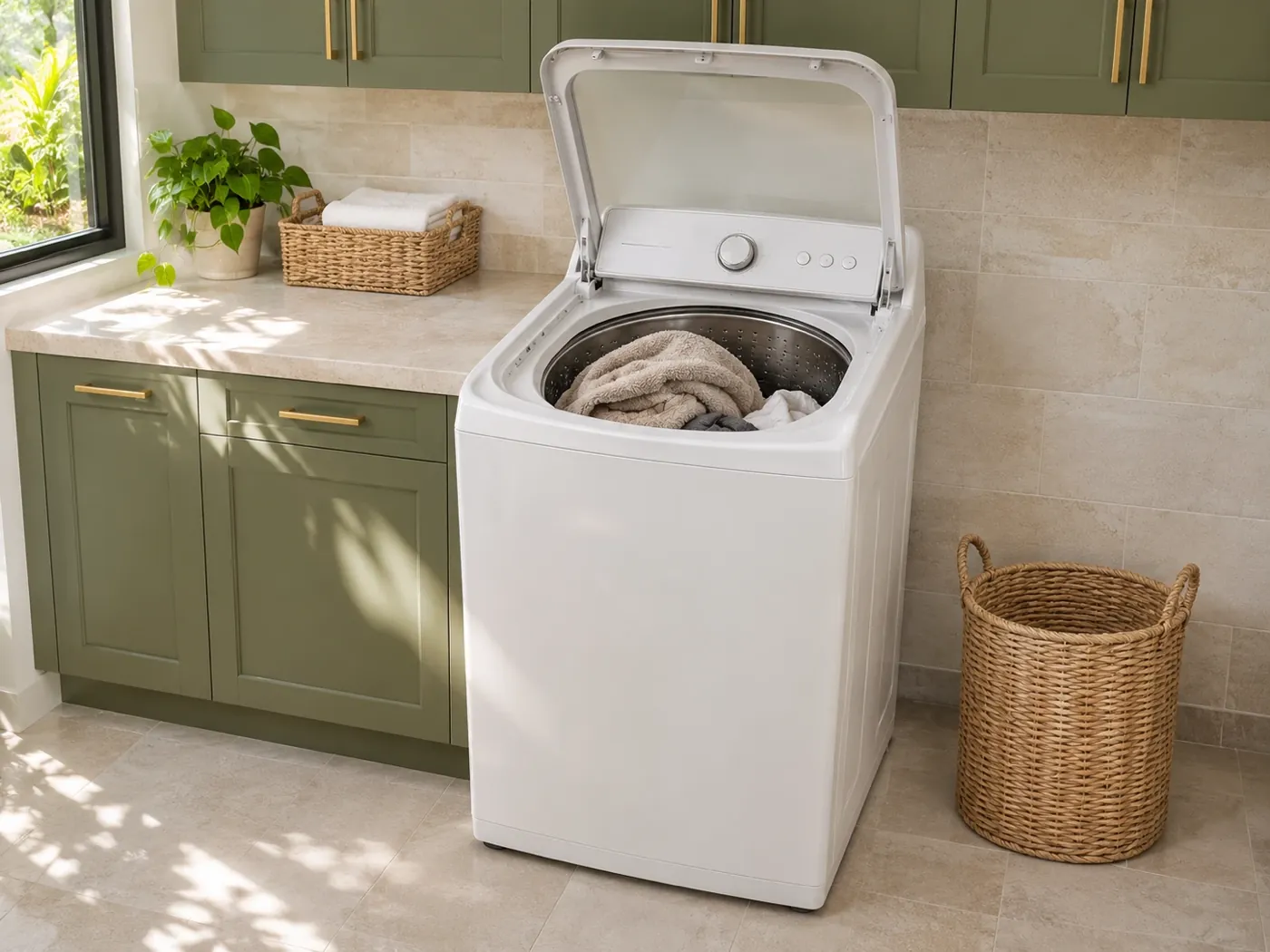
The washer fills, agitates, and drains like it always does. Then, when it should be spinning the water out, it just stops, and you open the lid to a load of heavy, dripping clothes. It feels like something broke, but very often the washer is doing exactly what it was designed to do: refusing to spin because one of its safety checks didn't pass.
Spinning is the hardest job a washer does
During the spin a modern washer turns the drum at several hundred to well over a thousand revolutions per minute. At that speed a few pounds of wet clothes on one side of the drum pull hard enough to rock the whole machine. So before it commits to a full spin, the washer checks a few things: the lid or door is locked, the water has drained, and the load is balanced. If any check fails, it slows down, tries to fix the problem, and eventually gives up rather than risk damage. That's why so many spin problems have nothing to do with a broken part.
When the washer refuses on purpose
The most common reason is an uneven load. A single bath mat, a comforter, or a pair of jeans soaks up water and settles on one side of the drum. The washer senses the wobble, tumbles the clothes to spread them out, and after a few tries cancels the spin. Very small loads cause the same thing, because there's nothing to balance one heavy item. The fix is usually simple: spread the clothes around the drum, add a few similar items, and use the bulky cycle for large pieces.
Too many suds can stop the spin
High-efficiency washers use very little water, and they rely on low-sudsing HE detergent. Regular detergent, or simply too much of any detergent, creates a thick foam that cushions the drum and confuses the sensors. Many washers detect the extra suds and pause or skip the spin until the foam settles. If the problem started after a new detergent or a heavy hand with the scoop, run a rinse cycle with no detergent and measure carefully next time.
Spin still won't start after a balanced load?
Book a DiagnosisWhen the water never leaves
A washer won't spin a drum that's still full of water. If you open it and the clothes are sitting in water, the spin isn't the real problem: the drain is. A clogged pump filter, a kinked hose, or a failing drain pump keeps the water in, and the washer waits for it to leave before it will spin. We explain the drain side in detail in why washers shake or stop draining, including which checks are safe to try.
When the lid lock won't confirm
A washer will never spin with the lid or door open, so it needs a switch or lock to confirm it's closed. On top-load washers a worn lid switch or a broken lid strike can tell the washer the lid is open even when it isn't. On front-load washers the door lock has to engage and report back to the control board. If the lock fails, the washer may wash normally and then stop, often with a blinking light or an error code, right before the spin.
When the drive parts wear out
If the load is balanced, the water drains, and the lid locks, the problem is usually mechanical or electrical. A hum with no movement can point to a worn drive belt or a broken motor coupling, a small part designed to fail before the motor does. Many top-load washers also use a shift actuator or clutch that switches between washing and spinning, and when it wears out the washer agitates fine but never spins up. A failing motor or motor control board can cause the same symptom.
Top-load vs. front-load spin problems
Top-load and front-load washers stop spinning for slightly different reasons. Top-loaders depend on a lid switch and, on many models, a shift actuator that moves the drive between washing and spinning, so a broken lid strike or a worn actuator is a common cause. Front-loaders spin much faster and rely on a door lock and a direct-drive motor, so lock failures, motor control errors, and badly balanced loads are more typical. Knowing which type you have narrows the list before a technician even arrives.
Safe checks before you call
A few steps are safe and often useful, especially for a technician later:
- Open the washer, spread the load evenly, and run a spin-only or drain-and-spin cycle.
- Add a few towels if the load is just one heavy item, or take some out if it's packed tight.
- Make sure you're using HE detergent and the right amount for the load.
- Check whether water is left in the drum, and clean the pump filter if your washer has one.
- Make sure the lid or door closes firmly and nothing is caught in the latch.
Replacing belts, couplings, lid locks, or control boards means unplugging the washer and opening the cabinet, so it's best left to a technician.
Signs it needs a technician
These patterns usually mean a failed part:
- It won't spin even with a balanced load, the right detergent, and no water left in the drum.
- You hear a hum or a click at spin time, but the drum doesn't move.
- The washer stops before the spin with a blinking light or an error code.
- It agitates normally but never speeds up into a spin.
- You smell burning rubber or hear grinding when it tries to spin.
Our washer repair technicians test the lock, drain, drive parts, and controls together and get the spin back to full speed.
Frequently Asked Questions
Answers to common questions about washers that won't spin.
Why does my washer fill and wash but not spin?
When the wash part of the cycle works but the spin never starts, the washer is usually stopping itself: the load is too uneven to spin safely, there are too many suds, the water hasn't drained, or the lid or door lock hasn't confirmed it's closed. If none of those apply, a worn belt, motor coupling, or a control part is the likely cause.
Why won't my washer spin with one heavy item?
A single bath mat, comforter, or pair of jeans soaks up water and gathers on one side of the drum. The washer senses that imbalance, tries to redistribute it, and cancels the spin to protect itself. Adding a few similar items or washing bulky pieces on a bulky cycle usually solves it.
Can I keep using a washer that won't spin?
It's better not to. Clothes come out soaked and heavy, which strains the dryer, and running cycle after cycle on a washer with a failing part can make the damage worse. Try the simple checks once, and if the spin still doesn't start, have it looked at.
Related Guides & Services
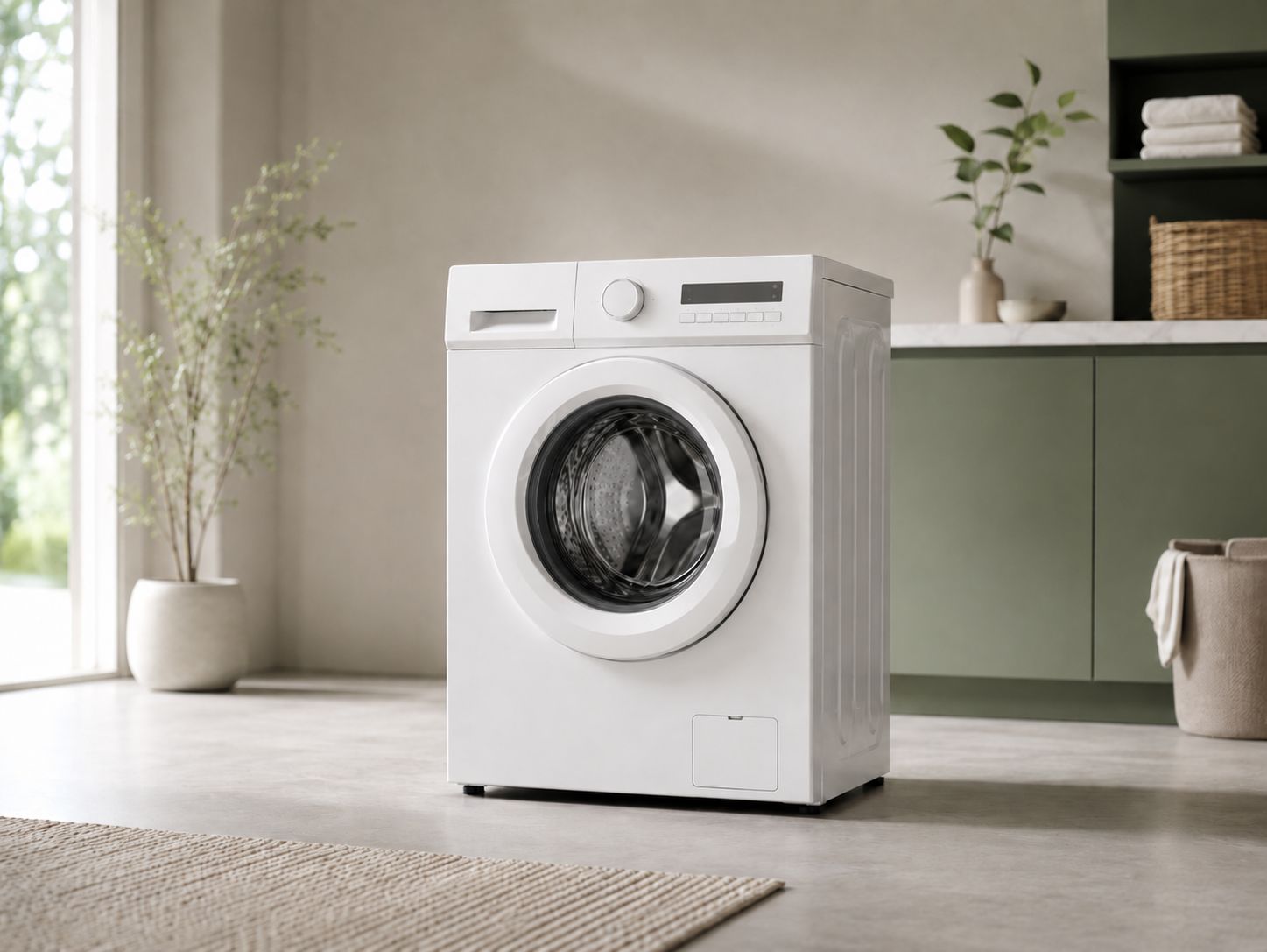
Washer Repair
Top-load and front-load washers repaired by licensed Los Angeles technicians.
Learn More
Why Does Your Washer Shake or Stop Draining?
What a pounding spin or water left in the drum means, and which checks are safe.
Read More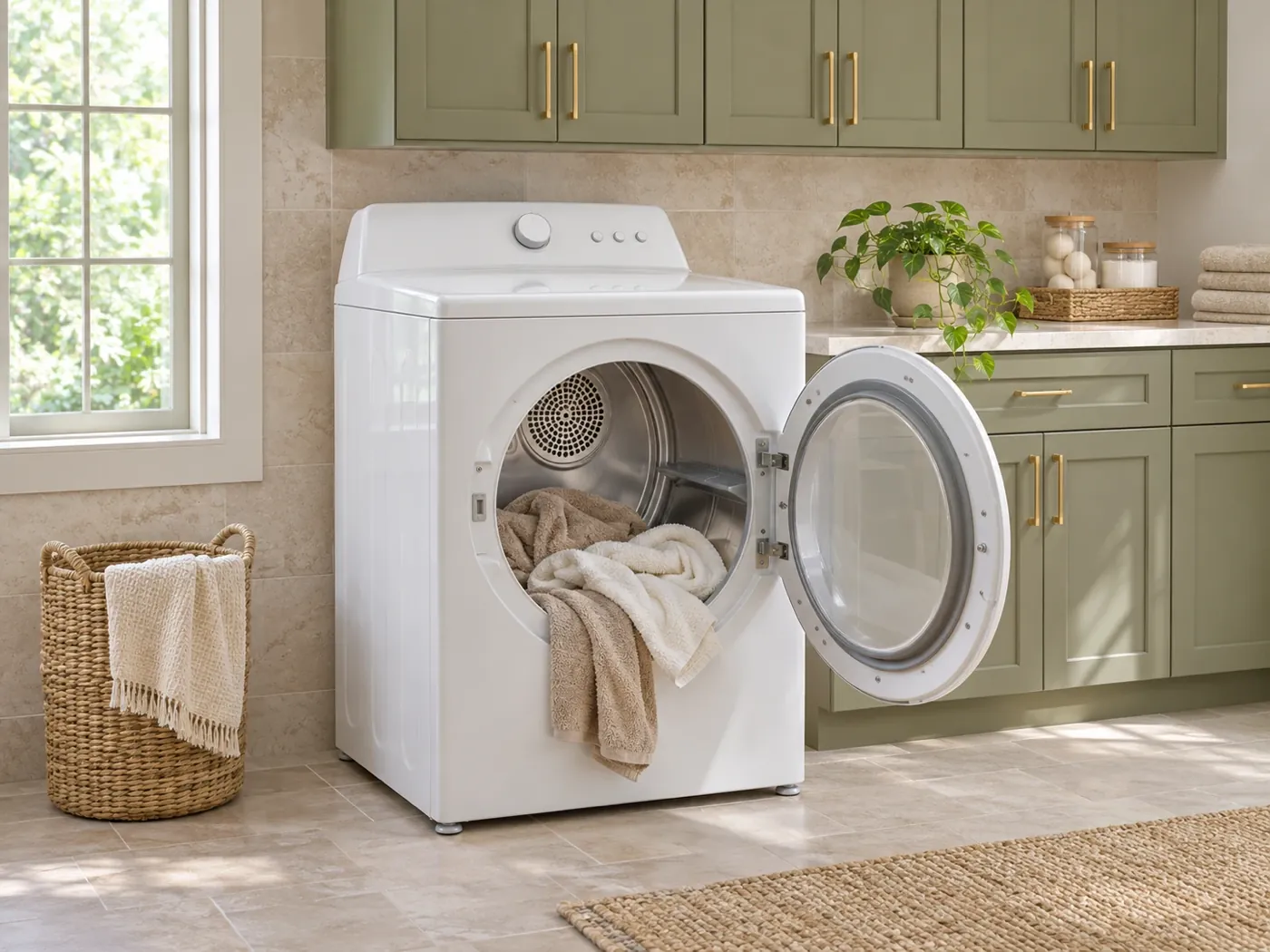
Why Your Dryer Won't Heat Up
The drum turns, but the clothes stay damp? How gas and electric dryers make heat, and which part usually fails.
Read MoreWasher still won't spin?
Our licensed Los Angeles technicians can find the real cause fast, backed by a 90-day labor warranty.